Practical Front-To-Back Garden Hacks for a Home Improvement-Ready Outdoor Space
A practical guide blending gardening, decor, and interior touches to elevate every corner of your outdoor space.
Designing a Cohesive Outdoor-Indoor Flow
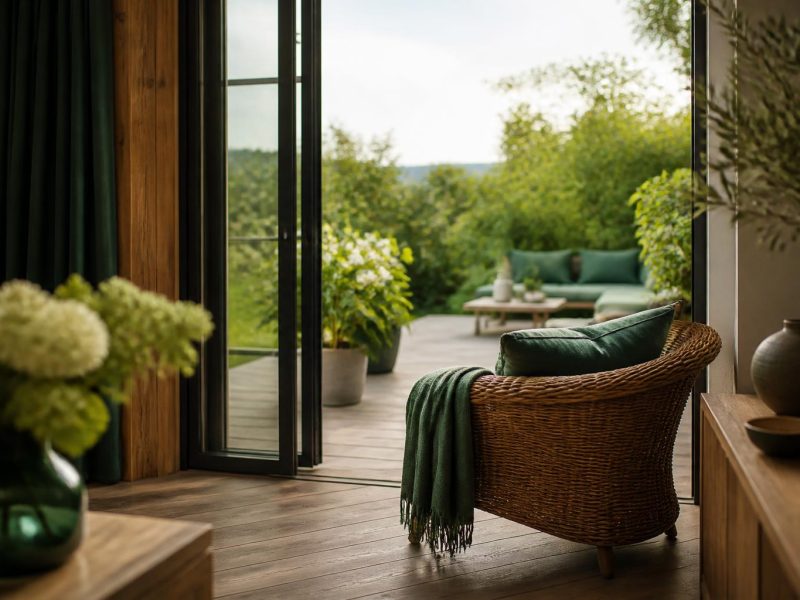
Creating a seamless transition between home and garden starts with a clear concept that echoes inside the interior. Start by selecting a restrained color palette for furniture, planters, and textiles that mirrors indoor decor choices, then repeat those hues in plantings and hardscape accents. A unified scheme makes paths feel intentional, while durable materials prevent wear from seasonal shifts and daily foot traffic. lawn mowing robot can handle routine maintenance, freeing time for thoughtful tweaking of textures and scent cues both outside and inside.
Next, map zones that support varied activities—sunny seating, shaded reading nooks, and a cooking/entertaining area—so guests experience a natural flow from house to yard. Use identical or complementary planters, railings, or garden art to knit these areas into one story. Incorporate sturdy seating with cushions that resist fading, and consider smart lighting that enhances evening ambience while highlighting architectural features from indoors to outdoors.
Low-Cuss Landscaping: Hardscapes That Endure
Durable hardscapes establish the backbone of any garden design, guiding movement and reducing maintenance. Choose permeable pavers or gravel to manage runoff and create a tactile path that invites barefoot strolls. Pair these with stone borders or metal edging to define beds, ensuring a crisp boundary that stays attractive through seasons. Regularly edge creeping perimeters to keep mulch from invading walkways, and select plantings that soften edges without obstructing visibility.
Edging is more than aesthetics; it protects soil, reduces compaction, and supports healthy roots. Install a simple drainage system along low spots to prevent puddling after storms, and consider a seasonal color plan using drought-tolerant grasses and native perennials for long-term resilience. A well-structured layout reduces daily upkeep while preserving a polished, interior-like sense of order in the garden.
Soil Health and Planting for a Lush, Sustainable Garden
Healthy soil is the foundation of a thriving outdoor space. Begin with a soil test to determine pH, nutrient levels, and organic matter content, then amend with compost, aged manure, or worm castings as appropriate. Layer mulch to conserve moisture, suppress weeds, and stabilize soil temperatures, ensuring roots can establish without brutal fluctuations. Choose a mix of flowering perennials, herbs, and shrubs that align with your climate and maintenance capacity.
When selecting plants, prioritize architectural forms—tall verticals, spreading groundcovers, and sculptural foliage—to build year-round interest. Group species with similar sun, water, and soil needs to minimize routine care, and rotate beds over seasons to reduce disease pressure. Such deliberate planning supports vibrant gardening while aligning with a calm, interior-influenced aesthetic in outdoor spaces.
Water-Wise Techniques for a Quieter, Greener Landscape
Water-wise gardening focuses on efficiency without sacrificing beauty. Install drip irrigation or soaker hoses beneath mulch to minimize evaporation and deliver moisture directly to roots. Collect rainwater in barrels for outdoor tasks and balcony planters, reducing utility use and teaching responsible resource management. Use native or drought-tolerant species that thrive with minimal supplemental watering, preserving water and time for other home improvement projects.
Mulch, shade structures, and properly sized plantings help regulate soil temperature and reduce irrigation needs. Integrate shade trees near western walls to lower cooling loads inside your home, reinforcing a holistic approach to energy efficiency. Thoughtful irrigation reduces maintenance, supporting more time for decorating and interior refinements that echo the garden’s mood.
Seasonal Interest: Color, Texture, and Scent All Year
Seasonal interest relies on a layered approach: evergreen structure for year-round form, deciduous plants for seasonal color, and perennials that return with vigor. Plan textures that vary from feathered grasses to glossy-leaved shrubs, and add architectural elements like trellises or pergolas to cast changing shadows across spaces as the sun moves. Fragrances from herbs and flowering plants create a sensory bridge between interior and exterior living areas.
Incorporate decorative containers to refresh color and height as seasons shift, and rotate seasonal blooms to maintain a lively, welcoming yard. Decorative accents such as lanterns, wind chimes, and garden statues should reflect interior decor sensibilities, maintaining a cohesive vibe that spans home and garden. With mindful plant choices, the garden becomes a living extension of your home, not an afterthought.
Containers, Decor, and Comfortable Outdoor Living
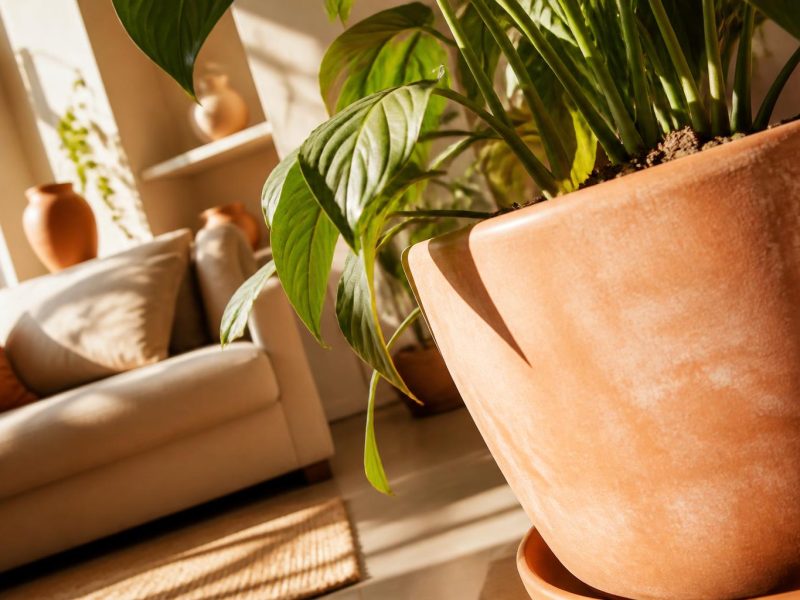
Containers offer instant impact, letting you experiment with color, form, and seasonal changes without committing to large planting schemes. Choose weather-resistant materials like ceramic, fiberglass, or resin with UV inhibitors to prevent fading. Pair containers with layers of texture—lush foliage, trailing vines, and compact flowering species—to create inviting focal points that feel curated yet relaxed, mirroring interior styling principles.
Outdoor decor should balance practicality with personality. Add functional pieces such as weatherproof cushions, side tables, and planters that echo indoor furniture lines. Use outdoor rugs and lighting to sculpt zones for dining, lounging, and play, ensuring that the garden remains inviting and usable well after sunset, much like a thoughtfully designed interior space.
Texture and Lighting: A Subtle Finishing Touch
- Layered lighting: uplights on trees, path lights, and soft string lighting create depth.
- Dramatic textures: combine smooth ceramic pots with rough timber and soft foliage for visual interest.