Practical, Beautiful, and Sustainable: A Garden-Inspired Home Improvement Guide
A home improvement guide blending interior comfort with gardening charm, featuring practical steps, decor ideas, and sustainable choices.
1. Planning a garden-forward interior
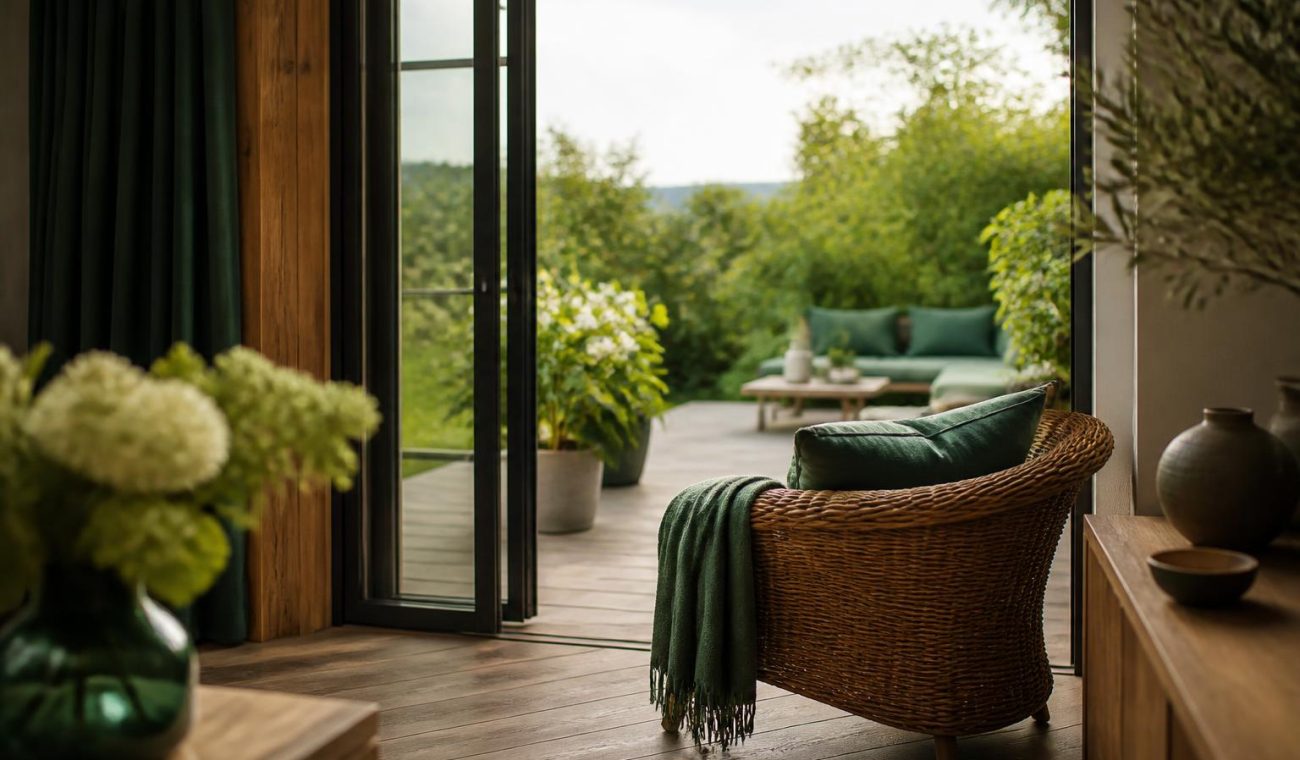
Creating a space that marries gardening with interior comfort begins with thoughtful layout and purpose. Start by mapping light patterns, traffic flow, and storage needs to ensure plant life thrives without overwhelming living areas. Consider a focal point such as a vertical herb wall or a compact indoor tree that complements furniture choices and color schemes. laser scanning equipment can help you measure space precisely for optimal placement and scale.
In this planning phase, outline a budget that covers durable containers, soil mixes, and irrigation basics, then layer in decor elements like textile textures and warm lighting. Prioritize materials that resist humidity and wear, especially in kitchens and bathrooms. A cohesive palette that bridges indoor and outdoor tones will make transitions feel intentional and calming rather than abrupt.
2. Light, airflow, and climate control
Natural light drives the health of indoor plants and the mood of a home, so assess window orientations and consider skylights or light shelves where feasible. Use sheer drapes to soften glare while preserving brightness, and place ventilated furniture to promote air movement. Integrate mechanical systems discreetly, ensuring quiet operation during evenings when family time and reading often occur together.
Good airflow also supports interior comfort, reducing dampness and mold risk in humid rooms. Pair this with climate-smart choices like moisture-absorbing cushions, breathable fabrics, and energy-efficient fans. When you tune temperature zones, you’ll notice improvements in both plant vitality and resident well-being, reinforcing that gardening and home improvement can elevate daily life rather than complicate it.
3. Furniture that blends form and function
Choose furniture that reflects a garden-inspired aesthetic while prioritizing versatility and durability. Think modular seating with washable slipcovers, coffee tables with hidden storage, and durable upholstery in plant-friendly tones such as sage green, clay, or ivory. These pieces support daily life, from hosting gatherings to supporting a quiet morning with a cup of tea beside a window herb box.
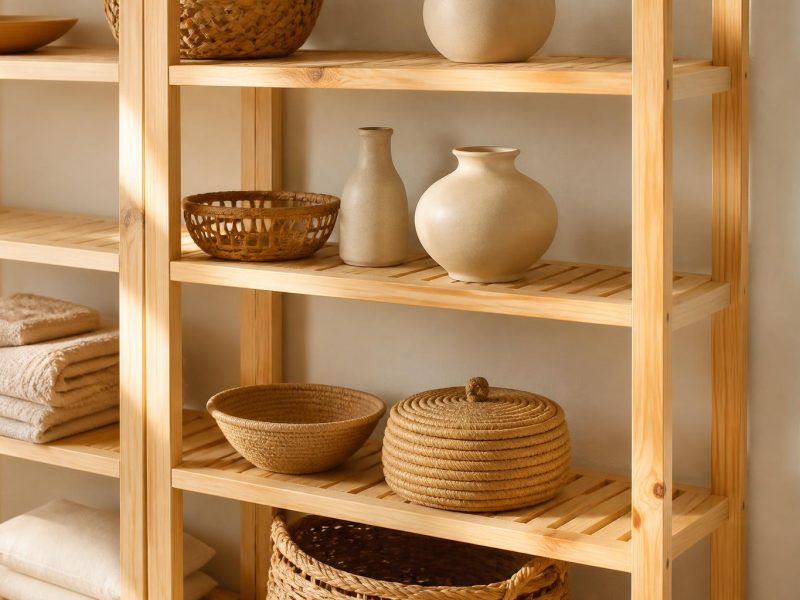
Layer texture through natural fibers like jute rugs, linen cushions, and bamboo accents to mirror outdoor ecosystems. Durable finishes prevent wear from sun exposure and humidity, while subtle color shifts echo seasonal changes in a landscape. This harmony of interior and exterior cues helps your living space feel connected to the garden beyond the walls.
4. Gardening zones inside the home
Develop distinct zones for herbs, foliage, and ornamental containers to keep care routines efficient. A bright south-facing shelf can house compact pots with drip trays, while a shaded alcove supports ferns and tropicals. Implement a simple irrigation approach—drip lines or self-watering pots—to reduce daily maintenance, freeing time for other decor and home improvement tasks.
As you organize, label plant needs and prune schedules to prevent overcrowding and ensure air circulation. Integrating a small chalkboard or whiteboard helps track watering days, fertilization, and light requirements, turning plant care into a simple, routine part of interior life rather than a chore. This structured approach connects gardening with daily living in a meaningful way.
5. Decor details that echo the garden
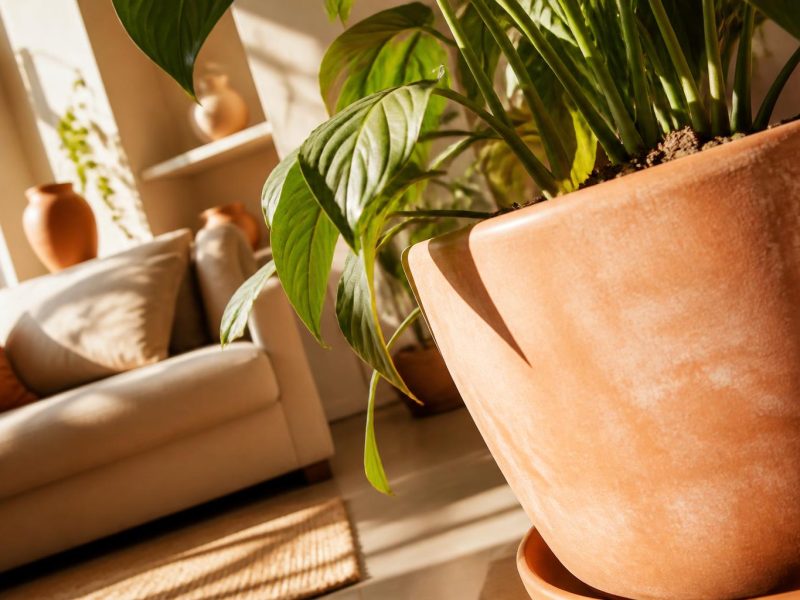
Decor is where your garden influence becomes tangible in the interior. Use framed botanical prints, terracotta pots, and ceramic planters that echo natural textures. Introduce colors drawn from your outside landscape—olive greens, stone grays, and sunlit yellows—to unify spaces and create visual continuity from room to courtyard or balcony.
Incorporate living decor elements like trailing vines on shelves or moss accents in terrariums to blur lines between indoors and outdoors. Textile choices—woven blankets, linen table runners, and cotton drapes—anchor the palette while offering tactile comfort. Thoughtful decor choices transform a practical plant corner into a peaceful, covetable focal point that radiates garden-inspired calm.
6. DIY projects for sustainable improvement
Simple, repeatable projects can dramatically improve functionality and aesthetics while keeping sustainability in focus. Build a vertical herb wall using recycled panels, install a permeable gravel path to separate plant beds from living areas, or retrofit storage with modular components to reduce clutter. Each project adds value to interior life and encourages ongoing gardening engagement.
Repurpose old containers by cleaning, sealing, and painting them to fit your color scheme, turning waste into decor. Create a compost-friendly corner outside the kitchen, enabling nutrient-rich soil for both houseplants and outdoor beds. By combining practical home improvement with mindful gardening, you’ll cultivate a home that supports wellness, sustainability, and lasting beauty.
7. Seasonal care and long-term strategy
Develop routines that align with the changing seasons to keep both interior plants and decor looking their best year-round. Rotate plants to balance light exposure, prune for shape and health, and refresh textiles to reflect seasonal moods. Planning ahead reduces stress during busy periods and ensures spaces remain vibrant, comfortable, and inviting for guests and family alike.
Keep a simple journal of plant success stories, decor tweaks, and airflow improvements to guide future home improvement decisions. Use this record to anticipate maintenance, budget for replacements, and refine your interior-garden balance. A thoughtful approach turns a house into a home that gracefully evolves with the garden outside and the interior you inhabit daily.