User-Focused Design: Boosting Productivity with Smart Laser Engraver Fume Extractors
Introduction — A Shop Moment, a Number, and a Question
I was in a small maker space when I noticed the operator pausing between cuts because the room smelled like burnt plastic. In that pause, the benefits of a good laser engraver fume extractor were obvious — and so was the cost of not having one. Recent field checks show particulate and VOC spikes near lasers can be several times higher than background levels in minutes, and that puts people and products at risk. (I’ve seen readings that made me wince.) So here's the question I kept asking: how do we design extractors that people will actually use, and that truly protect both health and workflow?
I want to be clear: I’m talking about practical fixes, not abstract specs. We need to balance airflow controls, filter life, and user convenience so a bench operator doesn’t have to guess fan settings. In my experience, small ergonomics wins — clearer indicators, quieter fans, simpler controls — change behavior. That leads to fewer stops, less rework, and a calmer shop. This piece walks through where common systems fail, what hidden pains operators live with, and how we can move toward smarter solutions. Onward to the flaws beneath the surface.
Why Common Solutions Miss the Mark
laser engraver smoke purifier systems often promise clean air but trip over practical limits. I’ll be blunt: many designs treat filtration like a checkbox. They spec HEPA stages and an activated carbon bed, note a rated airflow, and call it done. In real shops the results fall short. Filters clog faster than expected, fan speed controllers are buried in menus, and noise drives users to turn systems off or set them low. Airflow rate looks good on a datasheet, but it doesn’t tell you how smoke behaves around a workpiece. This mismatch between spec and use is where comfort and safety break down.
What exactly fails on the floor?
First, capture geometry is often ignored. A well-placed inlet makes a bigger difference than raw CFM. Second, maintenance visibility is weak — filters saturate, yet lights and reminders are vague. Third, power electronics like inefficient power converters add heat and reduce reliability. Look, it’s simpler than you think: without clear status indicators and easy access, people will improvise. They rig ducting, prop covers open, or run the extractor at low speed to avoid noise. That behavior defeats the whole point of a fume extractor — reducing airborne particles and VOCs.
Principles and Practical Steps for Better Extraction
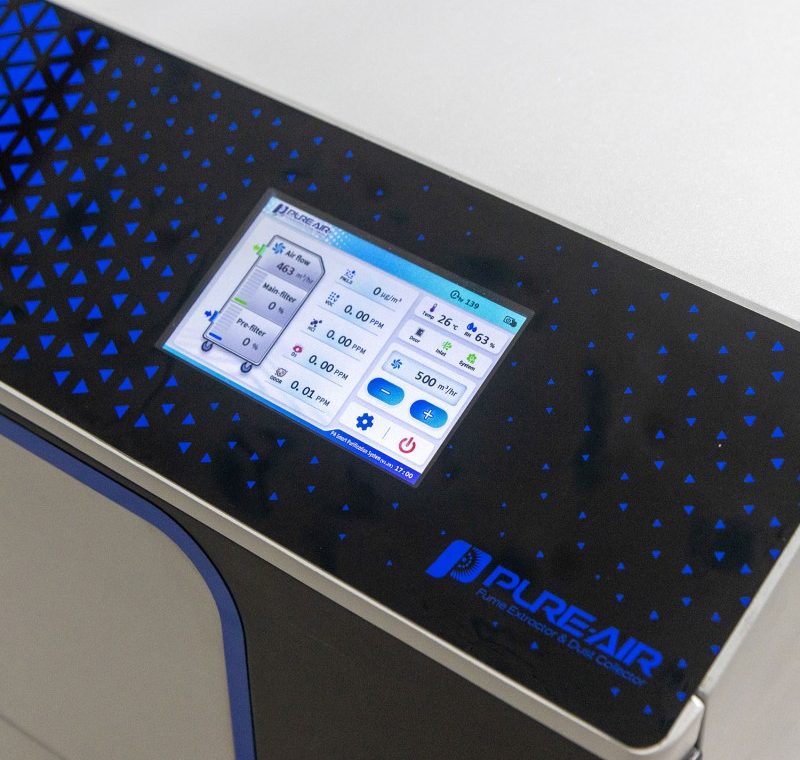
What’s next? I prefer a principles-first approach rather than chasing specs. Start with capture efficiency: design the hood and inlet to intercept the plume before it disperses. Pair that with staged filtration — a pre-filter for particulates, HEPA for fine dust, and an activated carbon bed for VOC adsorption. Add smart sensing: a simple particulate sensor or VOC gauge tells the user when the system must run harder. And — yes — consider usability: tactile knobs, clear LED status, and easy filter swaps. These changes reduce human friction and improve uptime — funny how that works, right?
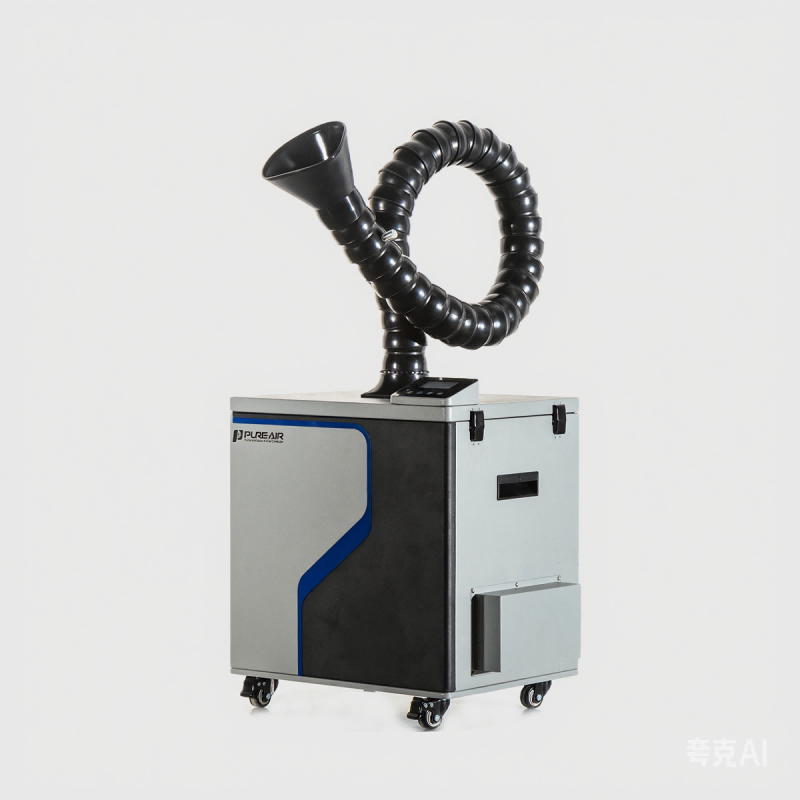
Newer systems can include modest edge computing nodes to log trends and suggest maintenance, without sending every detail to the cloud. That keeps latency low and privacy intact. I’ve tested units where predictive alerts cut unscheduled downtime by a noticeable margin. — and I mean noticeable in bills and smiles. In short, plan for real workflows: variable fan modes tied to tool state, accessible filters, and clear life-cycle costs. For those looking for a full, tested unit, a good reference is the laser engraver smoke purifier which balances these elements in a compact package.
 How to choose — three quick metrics
When evaluating options, I recommend weighing these three metrics: capture efficiency at the work surface, total cost of ownership (filters + energy + downtime), and user experience (noise, controls, maintenance). Measure capture with a simple smoke test in your setup. Track filter change intervals and energy draw. Ask operators to rate ease of use after a week. Those three data points will tell you more than any spec sheet. If you follow this path, you’ll end up with equipment that actually gets used correctly, not tucked away and ignored.
Putting it all together: I believe good extraction is a people problem solved with engineering. It’s about designing for real hands and real shops. I’ve seen the difference in productivity and air quality when teams adopt smarter designs. For practical solutions and more details, check the maker-focused products from PURE-AIR.