3 Little-Known Truths About Picking a Red Light Therapy Manufacturer That Actually Matter
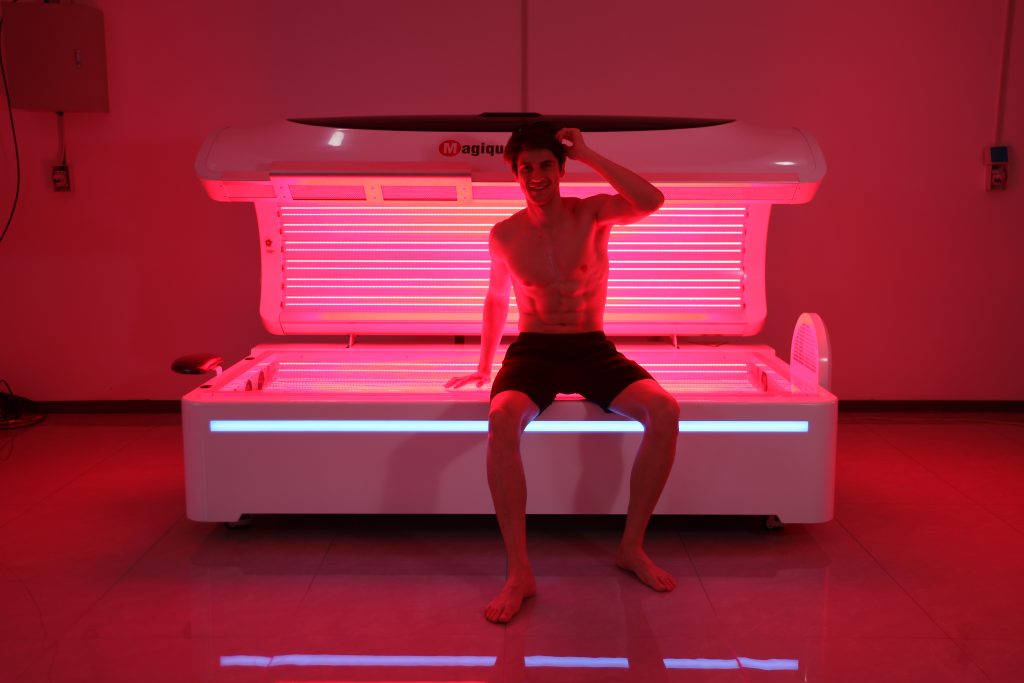
Introduction: A short scene, a stat, and the question we all dodge
I was in a clinic last spring, watching a therapist toggle through devices while a patient waited — quietly hopeful, nervously curious. In the second sentence I told myself: a reliable red light therapy manufacturer matters more than most buyers admit. Recent surveys show that nearly 40% of clinics report variable device output across batches (yes, real numbers). So—how do you pick someone you can trust, and what should you actually ask? I want to walk you through this in a simple, honest way. Let’s peel back one layer and move on to the common problems next.
The deeper problem: why many solutions break down at scale
red light therapy manufacturer selection often stops at price and lead time. That surface-level checklist overlooks core technical gaps that bite later. I’ve seen setups where LED arrays drift in irradiance within weeks, or where wavelength profiles shift because thermal management was an afterthought. When you depend on consistent photon density, those shifts matter — a lot. Look, it’s simpler than you think: inconsistent irradiance ruins repeatability. We lose trust, patients lose results, and clinics lose money.
Why does this happen?
Many suppliers optimize for cost, not for system robustness. They skimp on power converters, use cheap drivers, and avoid proper heat sinks. Edge computing nodes? Rarely integrated to log performance in the field. The result: batch-to-batch variance, surprising maintenance costs, and a supply chain that feels fragile. I don’t mean to sound alarmist — but these are fixable flaws if you spot them early.
 What to expect next: new principles and practical choices
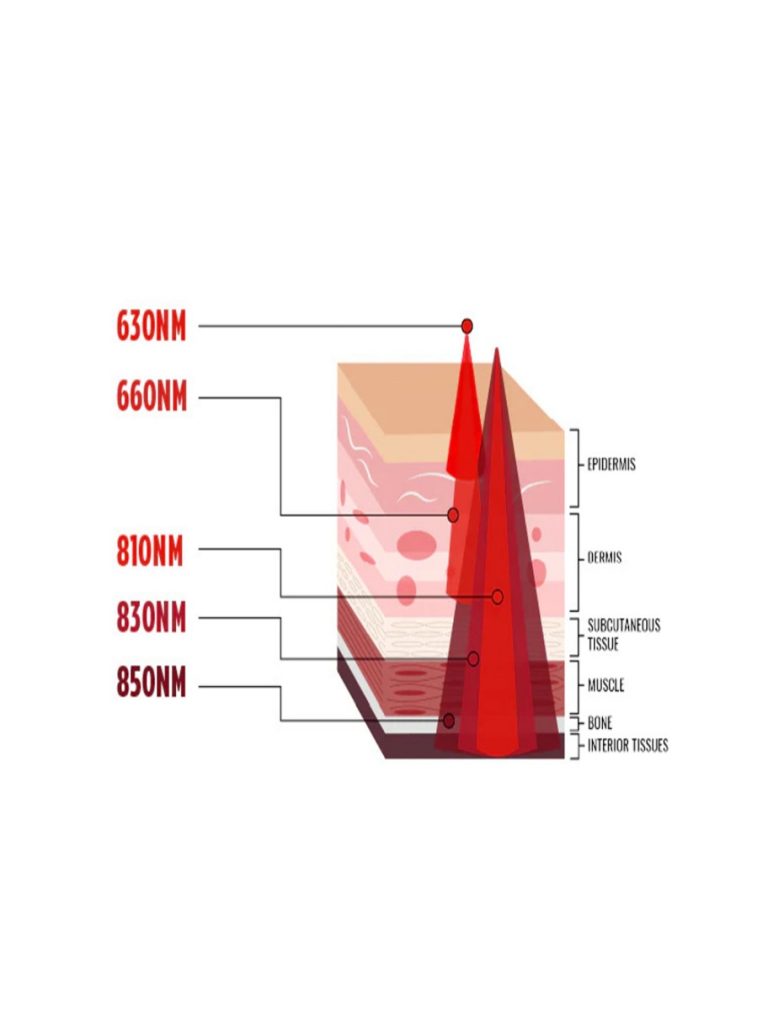
Moving forward, I want to show principles I think will matter most. First, measure—not guess—your device output over time. A modern red light therapy manufacturer will offer both calibrated LED arrays and clear irradiance curves by wavelength. Second, demand thermal management plans and reliable power converters. Third, ask for data logging options — even simple edge computing nodes that report real-world performance. These are not fancy extras; they’re practical risk reducers. — funny how that works, right?
Real-world impact: shorter cycles, clearer results
I’ve worked with teams who switched suppliers after noticing small output drifts. Within two months they had tighter dose control, fewer service calls, and happier clients. The cost of switching was less than the ongoing waste from inconsistent units. If you choose a supplier that documents wavelength stability and provides firmware for performance logging, you’ll cut surprises. I say this from experience: you get better outcomes and fewer headaches when the tech matches your clinical needs.
How to evaluate manufacturers — three metrics I use
Alright, time for a practical checklist. I won’t hide behind jargon. Here are three metrics I put on my buying sheet whenever we evaluate a red light therapy manufacturer:
1) Output Stability: Ask for long-term irradiance graphs and batch variance data. If they can’t show it, walk away. 2) Thermal & Electrical Design: Confirm they use quality power converters, robust thermal management, and tested LED arrays. Cheap drivers equal cheap results. 3) Field Data & Support: Do they offer logging (even simple edge computing nodes) and a clear service path? Real-world performance logs beat glossy brochures every time.
Apply these three metrics and you’ll make a smarter decision — measurable, not hopeful. If you want a firm that already thinks this way, consider checking options from industry-savvy partners like Magique Power. I recommend being direct in your questions. Ask for test reports, insist on warranties, and demand transparency. We owe it to our clients — and to ourselves — to choose equipment that does what it promises.